|
As Florida confronts more intense hurricanes, the state is bolstering building standards through the upcoming 9th Edition Florida Building Code (effective December 31, 2026).
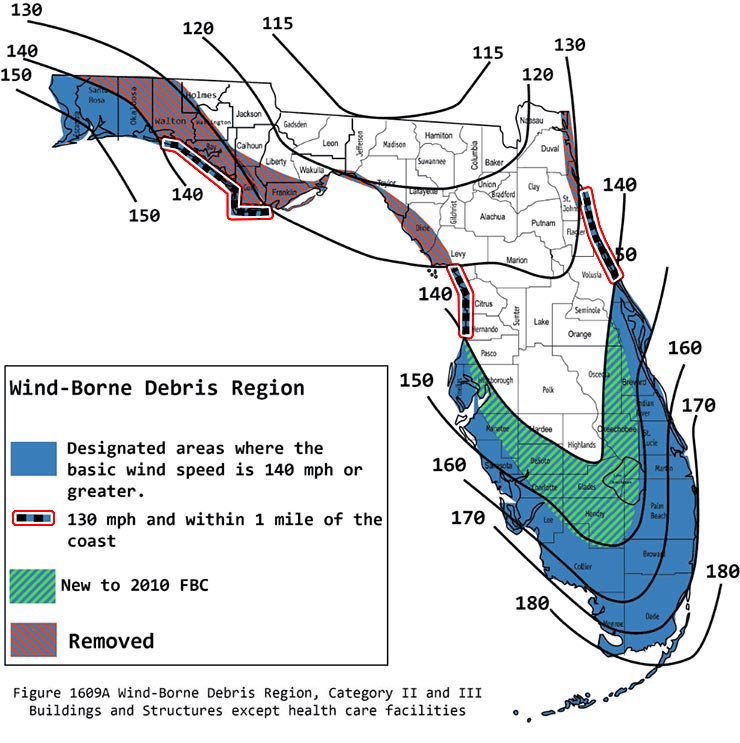
The map above shows current wind and wind-borne debris regions. Darker shaded areas highlight locations where high-impact, missile-resistant glass is required for safety against flying debris in severe storms.
Click HERE for a larger version.This edition incorporates updates from the 2024 International Codes and ASCE 7-22 for more precise wind load calculations, focusing on enhanced protection against extreme wind speeds, wind-borne debris impact, and water intrusion under hurricane resilient home codes 2026.
At Topsider Homes, our custom hurricane-resistant post & beam designs surpass these standards with impact-resistant materials, engineered uplift connections, and proven performance in high-wind zones—delivering safe, elegant coastal living.
Florida's current wind and wind-borne debris code provisions—established in the 2010 Florida Building Code (effective 2012) and largely carried forward through the 8th Edition (2023, still in effect through most of 2026)—introduced major expansions to wind zones and stricter fenestration (windows and doors) standards.
Key Highlights Include:
- Significant wind speed increases: The Florida Keys rose to a maximum of 180 mph (from prior ~150 mph levels), while many southern counties jumped from around 100 mph to 140+ mph in ultimate design wind speeds.
- Expanded wind-borne debris regions (WBDR): Areas requiring high-impact, missile-resistant glazing nearly doubled, extending well beyond traditional coastal zones into more inland locations in southern and central Florida.
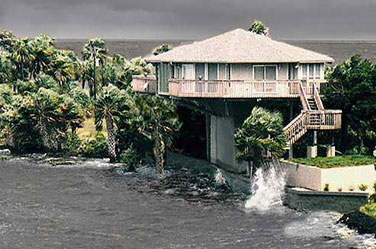
This coastal Florida pedestal Topsider home stands strong amid storm surge and crashing waves, having endured years of hurricanes, and severe flooding. Topsider's hurricane-resistant elevated homes deliver unmatched structural integrity, safety, and flood protection. Click HERE for more photos.
These changes, rooted in ASCE 7-10 and refined in later editions, mandate robust impact protection for windows, doors, and other glazed openings in designated zones—often requiring more durable specifications than standard products. For more detailed information, refer to the Florida Building Code, which outlines the latest wind and wind-borne debris requirements. Topsider Homes can assist you with navigating these regulations; for more information, call us at 336-766-9300.
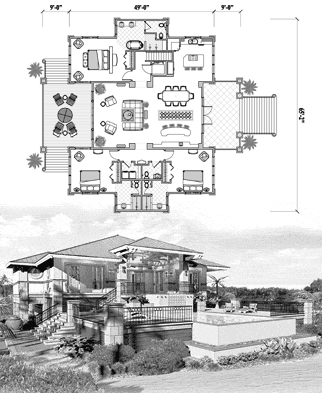
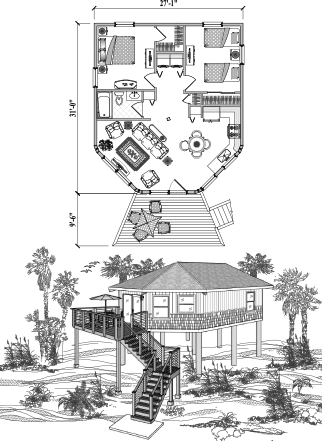
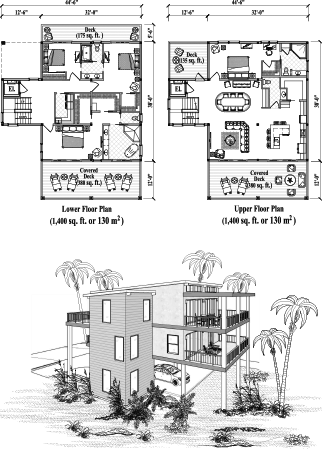
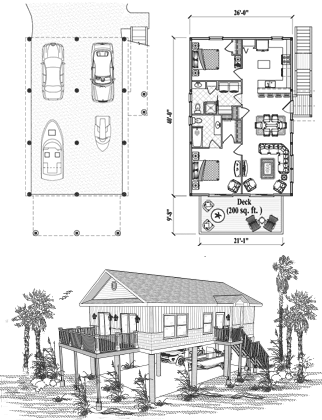
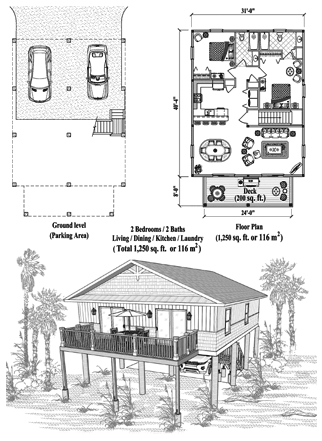
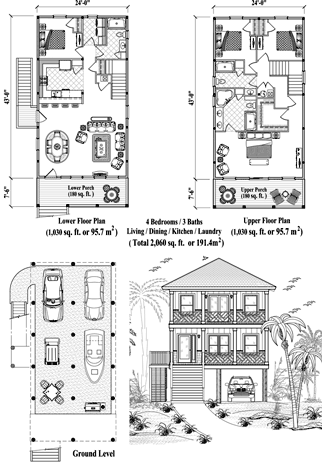
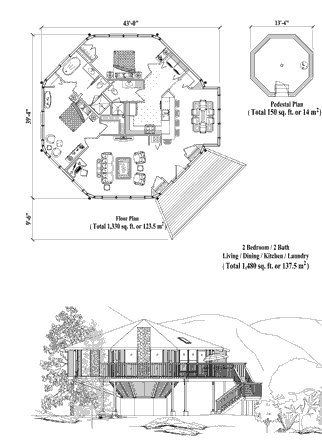
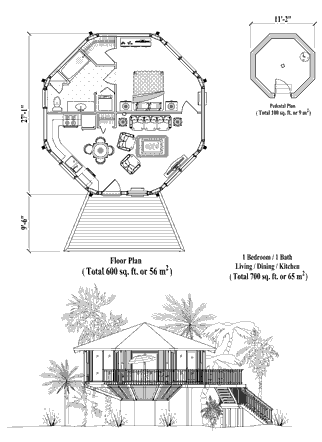
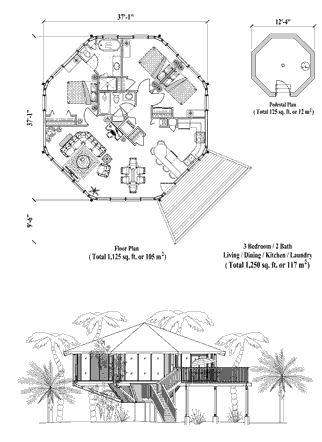
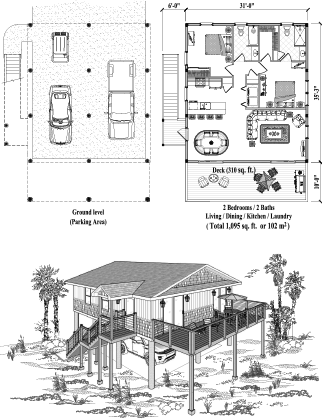
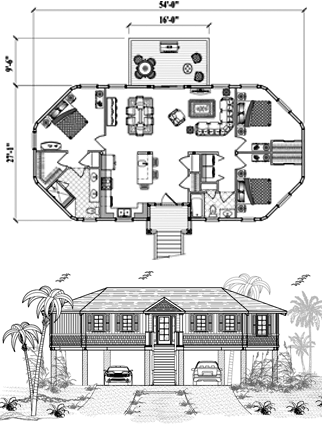
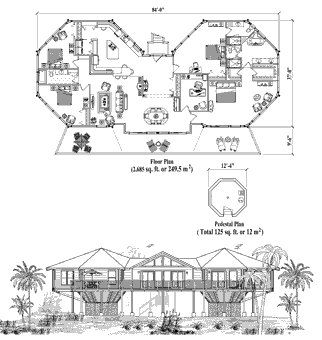
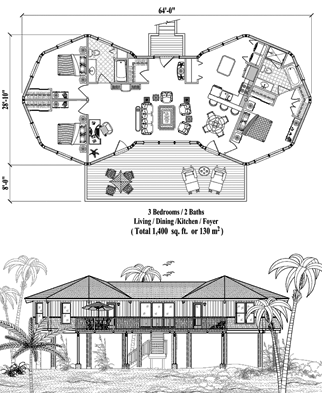
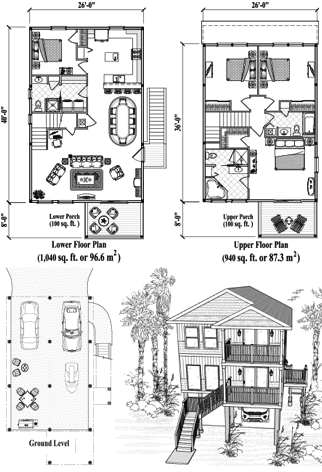
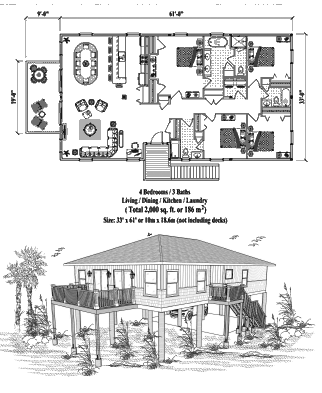
For over 55 years, Topsider Homes has built hurricane-resistant post & beam panelized homes along Florida's coasts, the eastern seaboard, and the Gulf—structures that have withstood some of the most extreme hurricanes on record. Our technical team is deeply familiar with Florida's evolving wind and debris codes, collaborates directly with local building departments and builders statewide, and offers elevated, code-compliant house plans tailored to your site's exact requirements. Click here some of Topsider Home's elevated stilt and piling house plans.
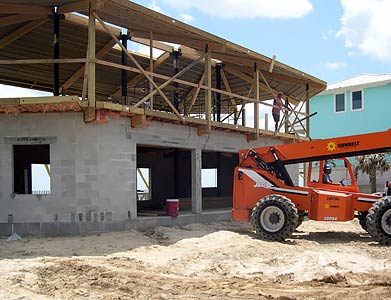
This elevated hurricane-resistant beach house under construction features a reinforced concrete block foundation with engineered flood vents to allow unrestricted water flow during storm surges and flooding — a key design for coastal resilience and FEMA compliance.
|
|
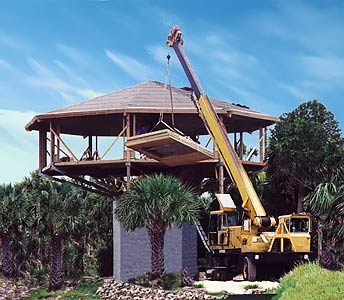
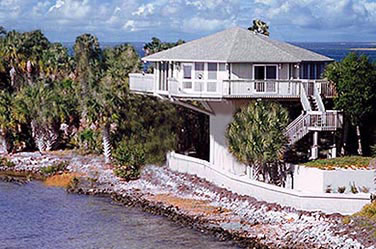
This hurricane-resistant oceanfront pedestal home stands 20 feet above ground on a reinforced pedestal foundation for superior protection against storm surges, flooding, and high winds — ideal for coastal resilience in hurricane-prone areas. |
|
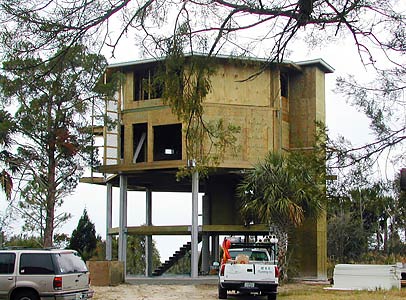
Elevated coastal home constructed on reinforced concrete pilings to comply with strict Florida Building Code requirements. The elevated design ensures safety from storm surges while maximizing panoramic ocean views from every floor level. |
FAQs: Florida Building Code 2026 Wind & Hurricane Requirements
- What is the effective date of the 9th Edition?
- December 31, 2026 (6 months after final publication).
- Are Florida's 2023 wind and wind-borne debris code provisions still in effect for 2026?
- Yes. The 2023 provisions (8th Edition) remain in force through most of 2026 and largely continue the major updates introduced in earlier editions—most notably expanded wind zones and stricter standards for windows and doors (fenestrations). The 9th Edition takes effect on December 31, 2026.
- What are the biggest changes in wind design speeds and impact-glass requirements?
- Design wind speeds increased significantly in prior editions: the Florida Keys rose from a previous maximum of 150 mph to 180 mph, and many southern counties jumped from about 100 mph to 140+ mph. In addition, the regions requiring high-impact, missile-resistant glazing nearly doubled and now extend well beyond traditional coastal zones. For 2026, ASCE 7-22 adoption refines these with minor adjustments, including increases in the Panhandle/Big Bend area.
- Do these code changes affect only coastal areas?
- No. While coastal areas remain a focus, the current wind-borne debris regions requiring impact-resistant windows now reach farther inland. The "dark areas" on the map above indicate these zones have expanded beyond the coast and cover much of Florida below mid-state.
- What does "fenestration" mean in this context, and how did those standards change?
- Fenestration refers to windows and doors. The updated code maintains stricter engineering and performance requirements for these components, including the use of high-impact, missile-resistant glazing in designated regions—often a more expensive specification than standard windows. For 2026, enhanced envelope standards build on this for greater resilience.
- What is the 160 mph mandate in Florida?
- Proposed via HB 911/SB 1218, it requires the Florida Building Commission to mandate full building envelope impact resistance and wind-resistant construction to withstand at least 160 mph for high-risk structures (e.g., multistory residential, coastal within 5 miles, HVHZ, rebuilds after natural emergencies). Local ASCE 7-22 requirements may exceed this in many areas.
What is ASCE 7-22 and why does it matter? - It's the updated standard for ASCE 7-22 wind loads, refining maps, pressures, and calculations for improved hurricane performance in the 9th Edition Florida Building Code.
- How do I know my property's wind zone?
- Use tools like the ASCE Hazard Tool or check local building department maps via the Florida Building Commission.
- Are HVHZ requirements different?
- Yes— Miami-Dade/Broward (HVHZ) enforce 170-180+ mph design speeds with rigorous impact and connection standards beyond general statewide rules.
- How can Topsider Homes help with these requirements?
- Topsider Homes has built post & beam panelized homes for more than 55 years in Florida's coastal areas and across the eastern seaboard and Gulf. We offer elevated, hurricane-resistant house plans suited to these requirements. For more information contact Topsider Homes.
|